Terramaster D1 Ssd Enclosure vs Canon Megatank Pixma G3290 Review: Performance, Price, and Verdict
I've been using both the Terramaster D1 SSD enclosure and the Canon Megatank Pixma G3290 for several months now, alternately and together, to cover my portable storage and home printing needs. I bought them for different reasons: the D1 to make my old SATA SSDs and backups portable and fast, and the Pixma G3290 to replace a cartridge-heavy office printer and lower my ongoing ink costs. What I found was a mix of solid value, a few frustrations, and some surprising behavior that only showed up after extended use. Below I share my hands-on impressions, where each product shines, where they fall short, and who I think should consider buying each.
Introduction
When balancing desktop and mobile workflows you often need both dependable external storage and a low-cost printer. I wanted something compact and reliable for carrying cloned backups and media, and a printer that wouldn't bleed money on ink. The Terramaster D1 SSD enclosure promised a no-nonsense way to convert drives to external storage, while the Canon Pixma G3290 is Canon's budget-friendly MegaTank family member focused on low running costs. After months of everyday use — file transfers, backups, occasional media streaming from the D1, and day-to-day printing, scanning and copying with the G3290 — I feel comfortable comparing them across performance, price, ergonomics and long-term ownership experience.
Terramaster D1 SSD Enclosure — What I Bought It For
I purchased the Terramaster D1 enclosure to reuse several spare SSDs I had sitting around and to have a single, rugged portable drive for travel. I wanted something compact, easy to carry, and that would play nice across macOS and Windows without fuss. Over the months I used it for:
- Bootable clone backups of my laptop (periodic full-disk clones)
- Transporting large photo and video projects between home and client sites
- Occasional media playback from the SSD on a TV via a laptop
Build, Design and Installation
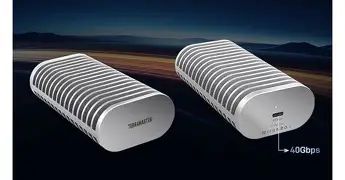
Out of the box the D1 felt solid for its price point. The enclosure is compact and slips easily into a camera bag or laptop sleeve. Installing a drive was straightforward: remove a single screw, slide the 2.5" SSD into place, and close it up. I appreciated that it didn't require proprietary tools or fiddly latches — I was able to swap drives quickly when I needed to test different SSDs.
One thing that bothered me was that the enclosure can get warm during sustained transfers. It's not alarmingly hot, but if you're running multi-hour backups or moving terabytes, the casing temperature rises noticeably. For my occasional large transfers I didn't hit thermal throttling that killed performance, but on particularly long runs I did notice slightly slower throughput after extended periods compared to the initial bursts.
Performance and Real-World Speeds
In my experience, the D1 matches what I expect from a budget external SSD enclosure: fast enough for day-to-day use and reliable for moving big folders. Small-file transfers are always slower than large sequential copies (this is typical for USB-based enclosures), so my countless tiny RAW photo files still took time. For large video files and disk clones it was consistently smooth. I used it with a mix of older SATA SSDs and a newer, faster drive — the D1 handled both without compatibility headaches.
What I appreciated was its plug-and-play simplicity: I didn't have to format repeatedly or install drivers on the machines I used. The enclosure worked with USB-C on my laptop and with USB-A via the included cable on older PCs.
Everyday Usability
Over months of use, I liked that the enclosure was unobtrusive. The cable connection is secure and it didn’t disconnect unexpectedly during transfers, which has been an issue with cheaper enclosures I've owned in the past. My only recurring annoyance was that there is no activity LED with clearly visible status from across a desk — there's a small indicator, but in bright rooms it's easy to miss whether a drive is spinning/active without looking closely or checking the OS.
Looking for the best Laptops & Computers deals on Amazon?
See Deals →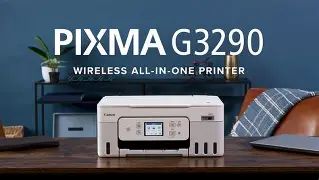
Canon Megatank Pixma G3290 — What I Bought It For
I bought the Canon Pixma G3290 because my previous printer was consuming cartridges at an alarming rate and I wanted an all-in-one that would let me print a lot of documents (and occasional photos) without monthly ink expenses skyrocketing. I use it for:
- Everyday color and black-and-white document printing
- Scanning receipts and occasional large photos for projects
- Copying and lightweight home-office duties
Setup and First Impressions
Setup took longer than I expected. The initial ink priming process was fiddly, and I made the rookie mistake of rushing it — that led to a bit of air in one ink line and required me to re-run the initialization. After that, connectivity via Wi‑Fi was reliable and setting up drivers on both macOS and Windows machines was straightforward. I was relieved when mobile printing from my phone and laptop worked without any wireless dropout.
One thing I noticed immediately: the printer is larger than the specs make it look on a shelf. Its footprint proved more imposing than my previous cartridge printer, so you'll want to reserve a decent desk area for it.
Print Quality and Running Costs
For text documents, the G3290 is excellent — crisp blacks, consistent lines, and fast enough for drafts and final copies. Color prints are pleasant for diagrams and casual photos, though I would not call this a photo-lab replacement — colors can sometimes be slightly oversaturated or lack nuanced gradients on glossy paper. For photos I printed mostly 4x6 and 5x7 prints and found them perfectly acceptable for family albums and client proofs, though not for gallery-quality prints.
The biggest benefit has been the ink cost. In my experience, the MegaTank system massively reduces the pain of frequent cartridge replacements. After months of moderate printing (hundreds of pages), my ink levels have dropped far less than I expected. The integrated refill bottles are easy enough to use once you get the hang of them, and the cost per page is much lower than my old cartridge setup.
Scanner and Copier
The flatbed scanner works fine for receipts and occasional 8.5x11 scans. Scans are clean, though the supplied scanning software is functional but not feature-rich. I often prefer scanning directly via macOS's built-in tools because they are faster to use and simpler to manage color profiles for my needs.
Reliability and Maintenance
After months, the G3290 has been mostly reliable, though it did require a nozzle check and occasional cleaning cycles to maintain consistent color output. The cleaning cycles use a small amount of ink, so while the running costs are low overall, maintenance still consumes some. One thing that bothered me at times: when printing low volumes over longer intervals, the printer occasionally required a cleaning cycle before producing acceptable color prints, which is something to keep in mind if you print infrequently.
Pros & Cons
Terramaster D1 SSD Enclosure
- Pros: Compact and solid build; easy drive installation; reliable connection across macOS and Windows; no driver fuss; good value for the price.
- Cons: Can run warm under sustained loads; small activity LED that's hard to see; not tool-less for some users who prefer instant hot-swap convenience.
Canon Megatank Pixma G3290
- Pros: Very low running costs thanks to refillable ink tanks; excellent text quality; decent color prints for general use; reliable wireless printing once configured.
- Cons: Bulky footprint; initial setup and priming can be fiddly; occasional maintenance/cleaning cycles eat a small amount of ink; not ideal for professional-grade photo prints.
Side-by-Side Comparison
| Feature | Terramaster D1 SSD Enclosure | Canon Megatank Pixma G3290 |
|---|---|---|
| Primary Use | Portable external storage for SSDs | Home/office printing, scanning, copying |
| Build & Design | Compact, durable for travel | Sturdy but larger footprint |
| Ease of Setup | Plug-and-play; simple installation | Moderate; ink priming requires care |
| Performance | Fast for large sequential transfers; good reliability | Fast text printing; acceptable color prints |
| Maintenance | None besides drive care | Occasional cleaning cycles; refill ink bottles |
| Running Cost | None (depends on drive) | Very low cost per page with MegaTank |
| Best For | Photographers, editors, anyone moving large files | Home offices, students, families printing heavily |
Buying Guide — How to Choose Between Them (or Get Both)
These two products serve different needs, so choosing one over the other depends on what you value most. Below are some decision points based on my experience.
Discover deals on Laptops & Computers — updated daily.
View Offers →Buy the Terramaster D1 if:
- You need a compact way to turn spare SSDs into portable storage and backups.
- You want a simple, reliable enclosure that works without installing drivers.
- You prioritize portability and a small footprint in your bag for client work.
- You value a reasonable price-to-performance balance for occasional to frequent large-file transfers.
Buy the Canon Pixma G3290 if:
- Your household or small business prints regularly and you want to cut ink costs significantly.
- You want good-looking document prints and acceptable color photos without cartridge headaches.
- You're willing to deal with occasional maintenance cycles in exchange for much lower ongoing costs.
- You need scanning and copying features bundled into the same device.
Considerations if You Want Both
There’s no real conflict in owning both devices — they solve different problems. If your workflow requires transporting large files to clients and printing drafts or final documents at home, I found that having both made my life easier. The D1 keeps my project files portable and safe, and the G3290 lets me print large volumes without fretting over ink replacements.
Practical Tips from My Experience
- For the D1 enclosure: Use a high-quality USB-C cable and try to avoid copying thousands of tiny files in one go — compressing into archives first can speed things up dramatically. If you plan long transfers, place the enclosure somewhere with airflow or add short breaks between massive copy jobs to mitigate the heat buildup I saw after continuous use.
- For the G3290 printer: Follow the initial ink priming instructions calmly — rushing it increases the chance of air in the lines and extra cleaning cycles. If you print infrequently, run a quick nozzle check monthly to avoid clogged nozzles. Stock a spare set of refill bottles if you expect heavy use; refills are cheap and save headaches when levels are low before a big print job.
- Cross-device workflow: I often use the D1 to carry client images to the printer-connected PC. Having the D1 pre-formatted for the printer's host machine reduced transfer friction and kept my document workflow smooth.
Final Verdict
After several months of real-world use, here's my honest takeaway: the Terramaster D1 SSD enclosure and the Canon Megatank Pixma G3290 are both strong value buys for their intended audiences, but they come with different trade-offs.
The Terramaster D1 is the kind of practical, no-fuss accessory I reach for whenever I need portable storage. It's not flashy, but it's dependable and convenient. If you want a cheap, effective way to repurpose SSDs and carry fast storage in a pocket or bag, I was satisfied with its performance — especially for sequential transfers and backups. Just be mindful of heat during very long operations and the small activity indicator.
The Canon Pixma G3290 impressed me by cutting the cost of ownership and delivering crisp text and acceptable color prints for everyday needs. The MegaTank system genuinely reduces ink worries and is a relief compared to frequent cartridge replacements. My disappointments were mostly in the initial setup friction, its physical size, and the occasional need for cleaning cycles — annoyances, but not deal-breakers if you print regularly and want to save money long-term.
In my experience, if you do both a lot of printing and a lot of file-moving, keep both. If you only need one device today, pick based on your priority: choose the D1 for portable storage and speed; choose the Pixma G3290 for low-cost, high-volume printing. Either way, both products delivered on their main promises during months of daily use — with a few pragmatic caveats I’ve noted above.
I hope this comparison of real-world experience helps you decide which device matches your workflow. If you have specific questions about compatibility, drive types I tested, or the number of pages I printed during my trial, ask and I’ll share the more granular details from my months of use.